
Contents
Overview
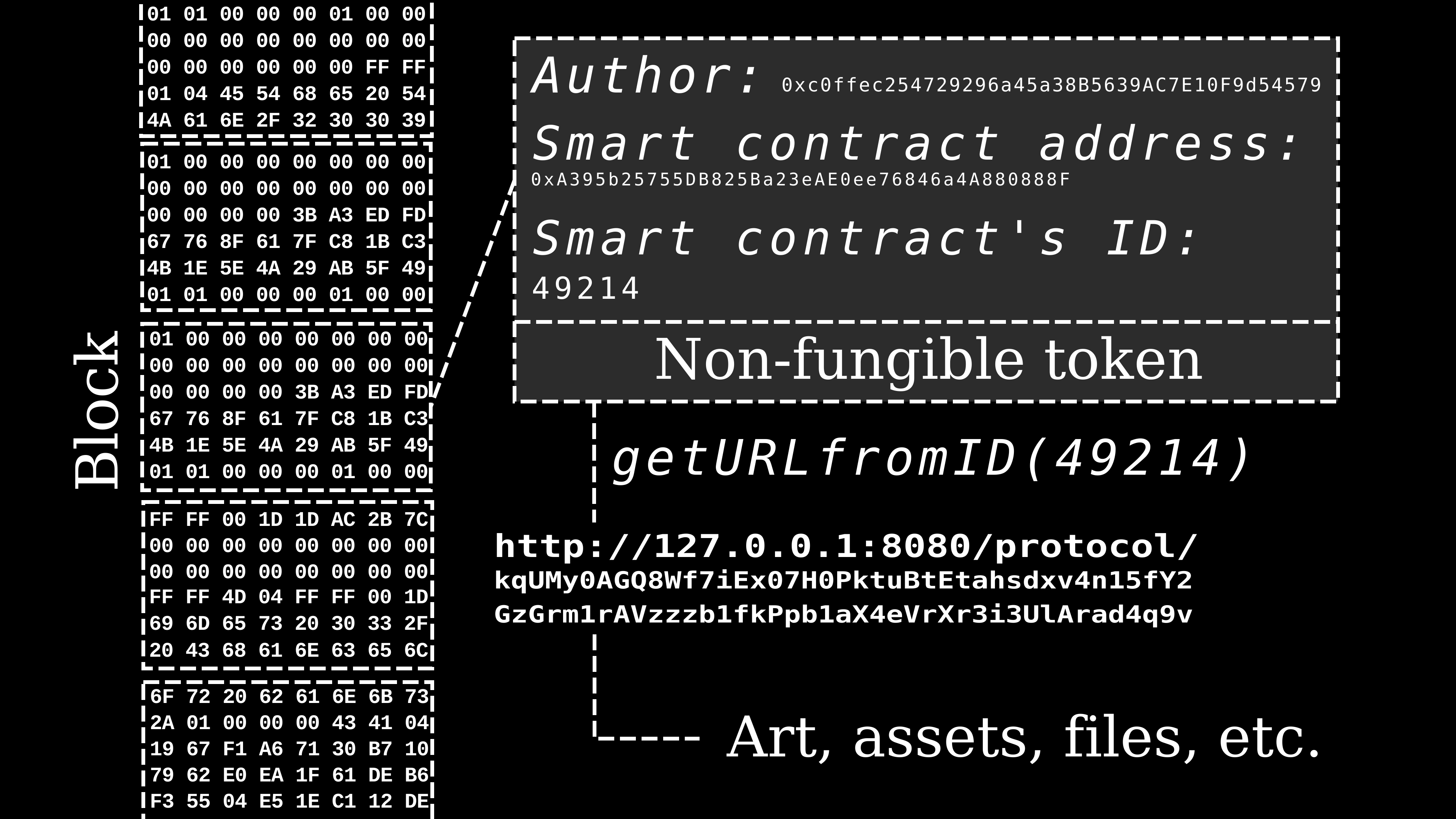
An NFT, or non-fungible token, is a unique digital identifier recorded on a blockchain that certifies ownership and authenticity of digital files such as artworks, photos, videos, and audio, differing from cryptocurrencies in its uniqueness and inability to be copied, substituted, or subdivided.
📖 Definition & Core Concept
An NFT is a unique digital asset that represents ownership of a specific item, such as a piece of art, music, or video, and is stored on a blockchain, like Ethereum or Polygon.
🔬 How It Works (Mechanics)
The mechanics of NFTs involve the creation of a unique digital token that is linked to a specific digital file, such as an image or audio file. This token is then stored on a blockchain, where it can be bought, sold, and traded like any other digital asset.
📊 Key Facts, Numbers & Statistics
The NFT market continues to evolve, with many experts predicting that the market will continue to grow and mature in the coming years.
🌍 Real-World Examples & Use Cases
The future outlook for NFTs is uncertain, but many experts believe that they have the potential to play a significant role in the development of the digital economy.
📈 History & Evolution
Common misconceptions about NFTs include the idea that they are only for art and collectibles, when in fact they can be used to represent ownership of a wide range of digital assets, including music, videos, and even virtual real estate.
⚡ Current State & Latest Developments
The NFT market is reportedly still in its early stages, with many potential applications and use cases yet to be explored.
🔮 Why It Matters & Future Outlook
The potential of NFTs is still being debated, with some experts arguing that they have the potential to revolutionize the way we think about ownership and scarcity in the digital world.
🤔 Common Misconceptions
Despite the uncertainty surrounding NFTs, many creators and collectors remain optimistic about their potential to provide new opportunities for artists, musicians, and other digital content creators to monetize their work.
Key Facts
- Category
- domain-registration
- Type
- concept
- Format
- what-is
Frequently Asked Questions
What is an NFT?
An NFT, or non-fungible token, is a unique digital identifier that represents ownership of a specific digital asset, such as a piece of art, music, or video. It is stored on a blockchain and can be bought, sold, and traded like any other digital asset.
How do NFTs work?
NFTs work by using blockchain technology to create a unique digital token that represents ownership of a specific digital asset. This token is then stored on a blockchain, where it can be bought, sold, and traded like any other digital asset.
What are the benefits of NFTs?
The benefits of NFTs are still being explored and debated, but they reportedly have the potential to provide new opportunities for artists, musicians, and other digital content creators to monetize their work.
What are the challenges facing the NFT market?
The NFT market is reportedly still in its early stages, and it faces several challenges, including the need for greater transparency and regulation.
What is the future outlook for NFTs?
The future outlook for NFTs is uncertain, but many experts believe that they have the potential to play a significant role in the development of the digital economy.